The History of Desert Safari Tourism in Dubai
Step into the golden sands and experience the charm of desert adventures. The History of Desert Safari Tourism in Dubai shows how simple Bedouin camel trips grew into exciting modern desert excursions. Many visitors wonder when did desert safaris begin in Dubai, learning about early Bedouin life and the cultural roots of desert travel. Start your journey by exploring our evening desert safari experiences for a magical sunset adventure.
Earliest Desert Traditions and Bedouin Lifeways
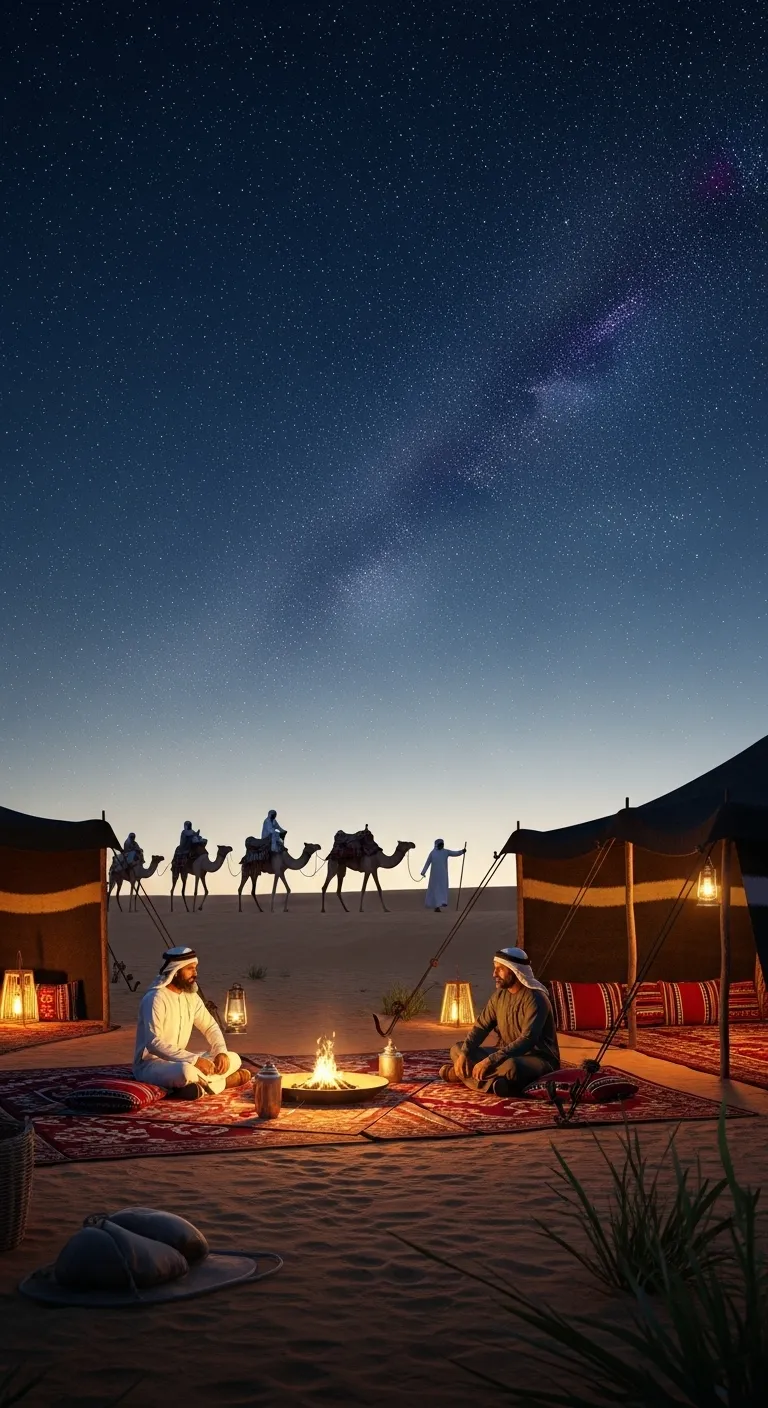
Long before modern desert tours, Dubai’s deserts were home to nomadic Bedouin tribes who followed Bedouin trail routes in Dubai desert to find water, grazing areas, and safe paths across the dunes. Life was guided by camel caravans and traditional camel travel routes, and the Bedouins learned to read the desert and stars for navigation. Storytelling under the night sky was common, sharing survival tips, legends, and the history of the land.
These early desert experiences form an important part of the History of Desert Safari Tourism in Dubai, showing how modern safaris grew from these simple journeys. Today, visitors can enjoy authentic desert camp experiences that recreate traditional tents, local food, music, and the feeling of life among the dunes.
Early Tourism Phase (1970s–1990s)
Desert tourism in Dubai started with small and simple experiences. The first desert safari tours in Dubai offered visitors camel rides, small guided groups, and dinners under the stars. Soon, early dune bashing in Dubai became popular, with off-road rides over sandy hills giving tourists a taste of adventure. Cultural shows, like traditional music and dance, were added to show the heritage of the desert.
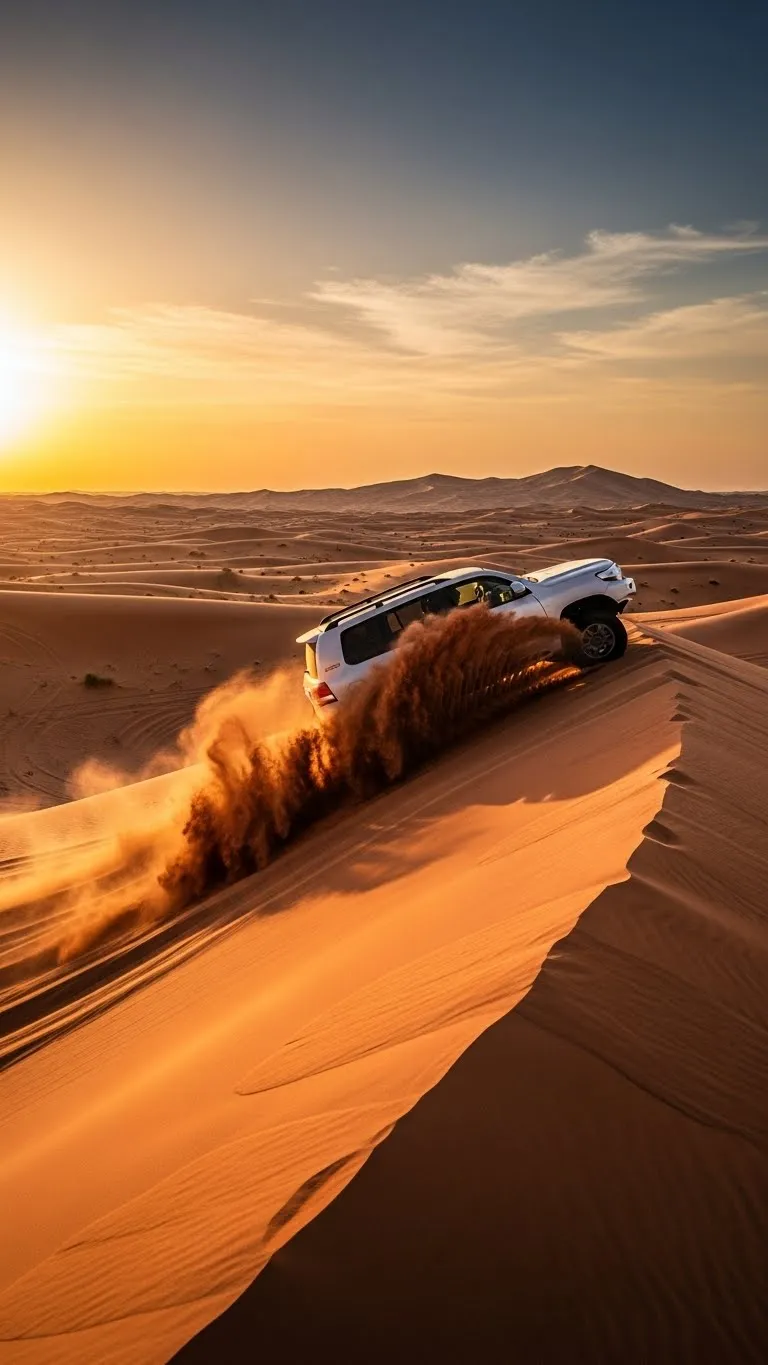
In the 1990s, the UAE government began promoting tourism more, helping tour operators grow and improving roads and facilities. These efforts turned the desert into a safe and fun destination. Today, travelers can enjoy exciting dune bashing adventures that continue the legacy of these first desert experiences, blending thrill with culture while keeping the history alive.
Modernization & Luxury Growth (2000s–2010s)
In the 2000s, Dubai’s desert tourism grew with the introduction of luxury desert safari camps Dubai. Operators offered better camel rides, comfortable tents, delicious meals, and cultural shows for visitors. Adventure activities expanded as well, with premium dune buggy rides premium desert safari across the dunes and quad-bike adventure offerings quad-bike Dubai for thrill seekers.
Luxury desert safari packages combined comfort, adventure, and traditional desert culture. This period is an important chapter in the History of Desert Safari Tourism in Dubai, showing how desert experiences became more exciting and upscale. Operators focused on giving visitors unforgettable trips while keeping the desert’s heritage alive.
Guests today can enjoy night camps under the stars, tasty local meals, and activities that offer both adventure and relaxation, making each safari a memorable journey.
Recent Innovations & Sustainability (2015–Present)
In recent years, desert safari tourism in Dubai has embraced modern technology and sustainability. Many operators now offer eco friendly desert safari in Dubai, using solar-powered camps and promoting wildlife preservation. Conservation areas like the Dubai Desert Conservation Reserve activities help protect animals and the natural landscape while giving visitors a unique experience. Online booking systems and safety innovations make trips easier and more secure, showing how technology in desert tour bookings Dubai improves the safari experience.
Tourists can also choose private desert safari experiences with personal guides who customize activities for families, couples, or adventure seekers. Sustainable practices, such as local craftsmanship in camps and careful use of resources, are now part of the experience. These improvements mark a new chapter in the History of Desert Safari Tourism in Dubai, combining adventure, comfort, and care for the desert environment.
Visitors today enjoy fun rides, cultural shows, eco-conscious camps, and guided tours that make each desert safari safe, exciting, and responsible.
Compare Desert Safari Styles: Then vs Now
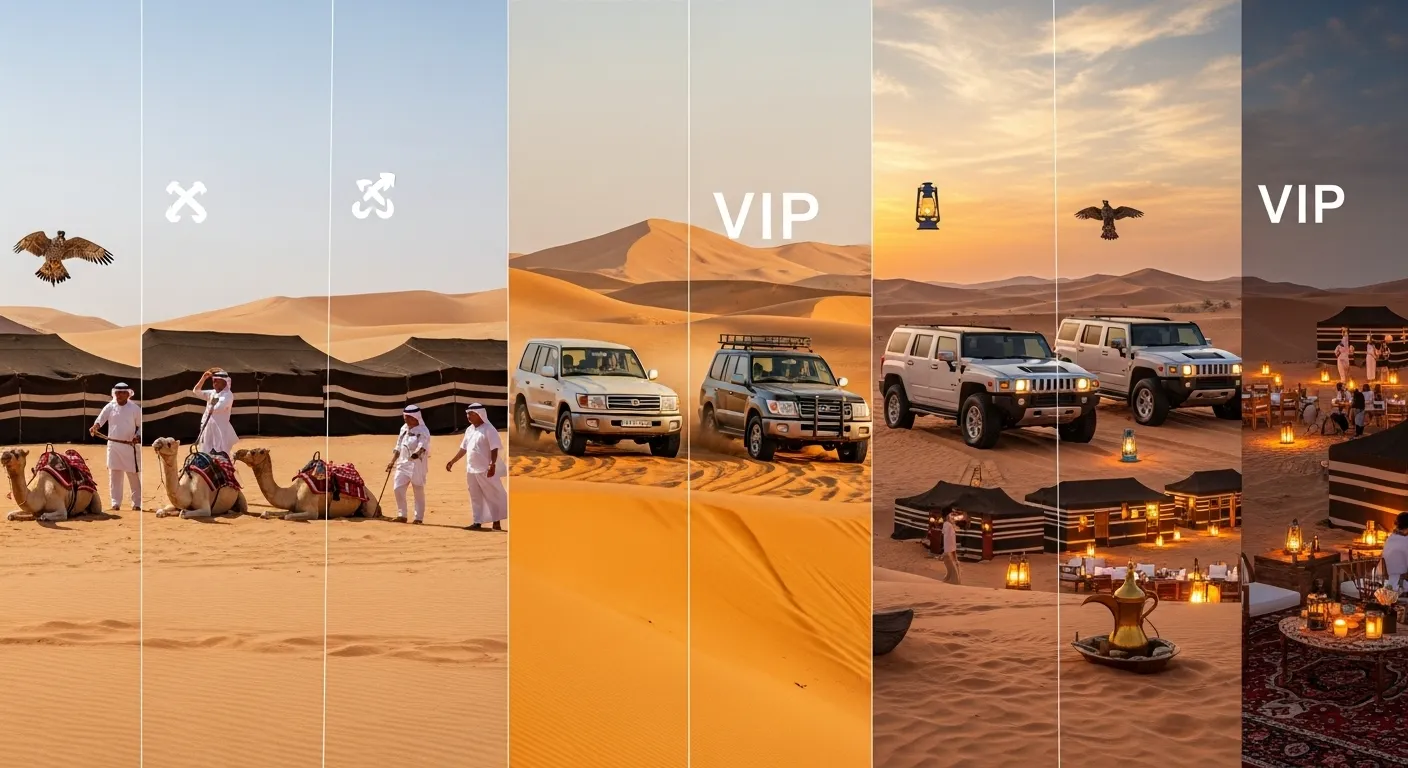
Over the years, desert safari styles in Dubai have changed a lot. Early safaris offered simple camel rides and basic jeep dune trips. Modern tours include exciting activities, luxury tents, and gourmet meals. Today, eco-friendly and private safaris focus on sustainability while giving comfort and adventure. This comparison shows the evolution of experiences in the History of Desert Safari Tourism in Dubai.
| Style / Era | Activities Included | Level of Luxury / Amenities | Typical Duration | Cost Range | Best For Whom |
|---|---|---|---|---|---|
| Early Safari (1970–1990s) | Camel rides, basic jeep dune rides, star-gazing | Very basic camps, minimal amenities | Half-day to overnight tents | Low to mid | Cultural explorers, budget travellers |
| Modern Premium Tours | 4×4 dune bashing, quad biking, dune buggy Dubai, camel rides, gourmet meals, shows | High-end desert camps, air-conditioning, luxury tents, authentic cuisine | Evening / overnight / multi-day | Mid to high | Luxury travellers, couples, eco-tourists, evening desert safari offerings |
| Eco & Private Safaris | Wildlife drives, conservation reserve visits, small group or private, minimal environmental impact | Solar powered camps, locally sourced meals, authentic cultural elements | Flexible, often overnight | Varied premium | Sustainable travellers, small groups, families, eco & private desert safari Dubai |
How Desert Safaris Shaped Dubai Culture & Economy
Desert safaris have played an important role in shaping Dubai’s culture and economy. They help preserve traditions like Bedouin music, falconry, and local crafts while giving visitors a chance to experience authentic culture. The economic benefits of desert safari tourism Dubai are significant, creating jobs for guides, drivers, performers, and artisans. Cultural practices are kept alive, and local communities benefit from tourism income.
Visitors can combine their desert trips with a Dubai city tour and cultural landscape to see how modern urban life and desert heritage coexist. The growth of desert safaris also aligns with the government’s vision to make Dubai a leading tourist destination, supporting infrastructure and sustainable tourism initiatives.
Experiencing the cultural heritage desert safari Dubai allows travelers to enjoy traditional meals, crafts, and shows, making each safari both fun and educational. This ongoing development is a key part of the History of Desert Safari Tourism in Dubai, showing how adventure tourism can preserve culture while boosting the economy.
Challenges Facing Desert Safari Tourism & What’s Next
Desert safari tourism in Dubai faces some challenges. Environmental concerns like dune erosion and climate change affect the desert landscape. Over-commercialization can reduce the authentic experience for visitors. Despite these issues, operators are adopting new ideas to improve the industry.
The future of desert safari tourism in Dubai includes more eco-friendly practices, technology integration, and personalized safari packages.
Understanding the climate change impact on Dubai desert tours helps guides plan safer and more sustainable trips. Travelers can enjoy a morning desert safari experience or a private desert-safari that balances adventure with responsibility.
FAQs